Living through harsh winters has taught me a thing or two about staying warm. And let's be honest, a good hat is absolutely essential. I’ve spent years searching for the perfect hat that not only looks good but also provides maximum warmth and protection against the biting cold. My quest led me through countless patterns, yarn types, and knitting techniques. I learned a lot, and I'm excited to share my discoveries with you!
Like many, I started by assuming that a thick, bulky hat would be the warmest. I knitted a few chunky hats, but I was surprised to find that they didn't always keep me as warm as I expected. The wind seemed to cut right through them, and my ears would still get cold. I realized I needed to dig deeper into what makes a hat truly warm.
I started experimenting. I tried different yarn weights, different patterns, and different construction methods. I even considered lining hats with fleece, which I'd heard could make a big difference. The goal was to find a hat that could stand up to the coldest temperatures.
One of the biggest breakthroughs I had was realizing that it's not just about the thickness of the yarn, but also about the type of yarn and how it's used. I discovered that using a combination of fingering weight yarn and mohair created a fabric that was both warm and wind-resistant. The mohair filled in the gaps, blocking the wind from penetrating the hat.
I also learned the importance of layering. Multiple thin layers are often warmer than a single thick layer. This is because the layers trap air, which acts as insulation. I started knitting hats that were long enough to fold up and cover my ears, adding an extra layer of protection where it was needed most.
Another thing I discovered was that the yarn's properties matter a lot. Non-superwash wool is generally warmer because it retains more air and has more natural oils that help repel moisture. Superwash wool, while easier to care for, tends to be less warm.
Through trial and error, I found a few patterns that I particularly liked. The Oslo hat and the Musselburgh hat were two of my favorites. These patterns allowed me to experiment with different yarn combinations and layering techniques to achieve maximum warmth.
I also came across a pattern called the 1898 Hat. It features a double brim in squishy garter stitch, which traps a lot of warmth. I found it easy to adapt this pattern to different yarn weights, allowing me to increase the thickness and warmth even further. I even considered adding a fleece lining to some of my hats for extra warmth, although I haven't tried it yet.
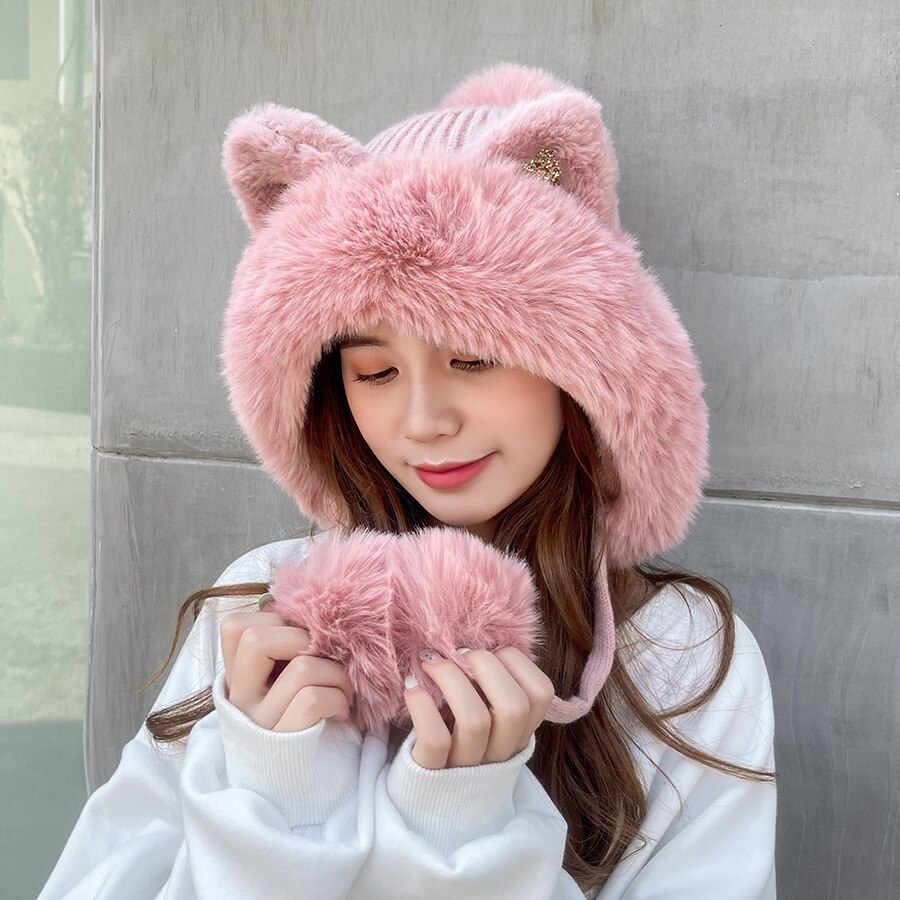
While exploring different options, I stumbled upon the COKK Winter Hat at Wholecustomdesign. The design, with its thick velvet lining, immediately caught my eye. I was looking for something that would provide extra warmth, and the velvet seemed like a great way to achieve that. I ordered one to try it out.
When the hat arrived, I was impressed with the quality. The velvet lining felt incredibly soft and warm against my skin. The knitted outer layer provided additional insulation, and the cute cat ear design added a touch of fun. I wore it on a particularly cold day, and I was amazed at how well it kept me warm. The wind didn't penetrate the hat, and my ears stayed toasty even in the freezing temperatures. It's definitely become one of my go-to hats for the coldest days.
What I particularly liked about the COKK Winter Hat from Wholecustomdesign was that it combined style and functionality. It's not just a warm hat; it's also a fashionable accessory that I enjoy wearing. The pompom adds a playful touch, and the overall design is both cute and practical. If you're looking for a warm and stylish hat, I highly recommend checking it out. You can get it here. The Wholecustomdesign brand really delivers on quality and style.
Based on my experiences, here are some practical tips for knitting a warm hat: