There's nothing quite like the crisp air of winter, especially when you're out exploring. But let me tell you, a truly enjoyable cold-weather experience hinges on one often-overlooked item: a fantastic winter hat. I used to think any old beanie would do, but after countless chilly mornings and uncomfortable nights, I embarked on a mission to find the ultimate headwear. This journey taught me so much about warmth, comfort, and smart layering, and I'm excited to share my discoveries with you.
When I first started venturing into colder climates, I often found myself in a dilemma. My initial thought was that a simple fleece hat would be good enough. After all, it's lightweight, easy to pack, and generally inexpensive. However, I kept hearing whispers about the superior comfort and warmth of a down hood, especially if you weren't strapped for cash. The idea of investing a bit more for significantly better comfort really resonated with me, as I was tired of shivering when the sun went down.
One of my earliest lessons came the hard way. I learned quickly that relying solely on local weather reports, especially from lower elevations like Dahlonega or similar valley towns, can be incredibly misleading. The actual temperatures up in the mountains or at higher elevations were consistently much colder than anticipated. This meant that my initial gear choices, based on more forgiving forecasts, were often inadequate. I had to be prepared for significantly lower temps than what the general forecast suggested, sometimes a difference of 10-15 degrees Fahrenheit. This realization was a game-changer and immediately elevated the importance of my headwear strategy.
Initially, I thought some of the temperatures I was facing weren't too bad, and a simple balaclava might suffice. For moderate cold, say around freezing or just below, a good balaclava definitely offered decent protection, covering my neck and face as well as my head. It was a step up from just a beanie, providing more comprehensive coverage against biting winds. However, for truly cold conditions, I found myself wanting more.
I've certainly had experiences where even in the 20s Fahrenheit, a fleece beanie combined with the warmth trapped by my sleeping quilt kept my head surprisingly warm. It was interesting to notice that at those temperatures, my body might feel chilly, but my head and feet often remained relatively cozy. This observation made me realize that while a fleece beanie has its place, it often needs the help of additional insulation, like a quilt, to truly shine in colder environments. It also highlighted how different parts of our bodies regulate temperature differently, and how crucial it is to address heat loss from the head.
My journey led me to experiment with different materials and layering strategies. One of my most significant discoveries was the power of Merino wool. My Merino Beanie, similar to one I found from Buff, proved incredibly effective in temperatures between 10-20 degrees Fahrenheit. It offered excellent warmth-to-weight, breathed well, and even retained some warmth when damp, which is a huge plus in unpredictable weather. I also tend to be a warm sleeper, which certainly helps, but the Merino wool made a noticeable difference in my overall comfort.
While I hadn't fully committed to a separate down hood at first, I did notice the immense benefit of having a down jacket with an integrated hood for those extra-cold moments. It offered an immediate boost of warmth that a simple beanie couldn't match on its own. The combination of a beanie under a down hood became my go-to for truly frigid nights, proving that layering isn't just for your core, but for your head too.
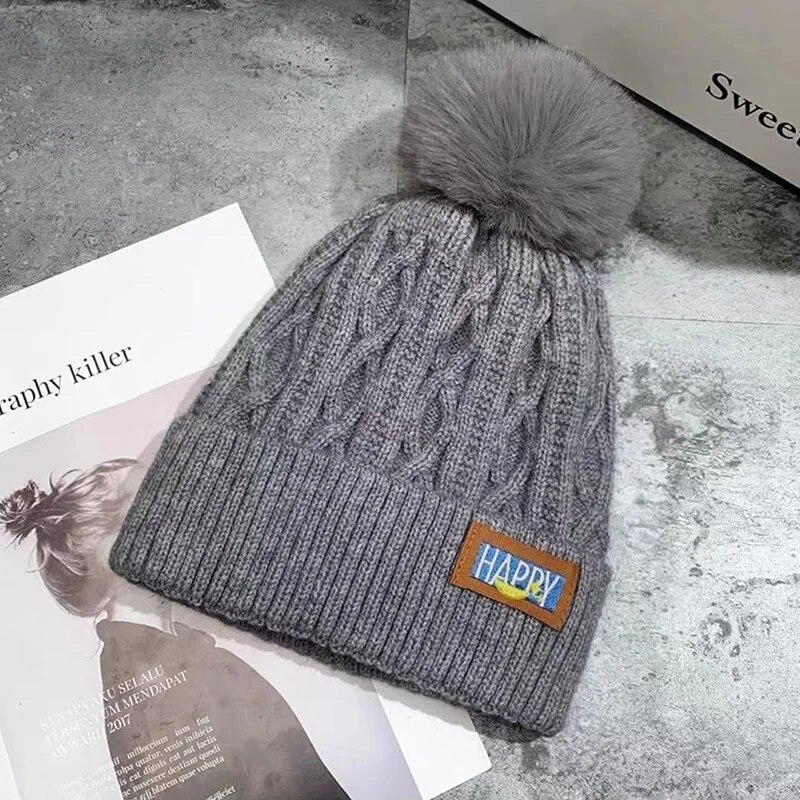
For me, keeping my head warm became an absolute must. I realized that a significant amount of body heat can escape through the head, and neglecting it could quickly lead to discomfort and even compromise safety in extreme conditions. After some research and trying various options, I decided to invest in a dedicated solution for maximum warmth. While many people swear by a separate down hood for its ultralight warmth, I found an incredibly warm and stylish alternative that worked wonders for me: the 'Fashion Big Pompom Women Hat Twist Knitted Winter Thick Plush Beanie Cap Ladies Solid Color Velvet Lined Warm Bonnet Hats gray'.
This particular beanie, available through WholeCustomDesign, wasn't a traditional "down hood," but its thick twist-knitted exterior and plush velvet lining provided an unparalleled level of warmth and comfort. It felt incredibly soft against my skin and trapped heat exceptionally well. When things got really frigid, I’d wear my trusty Merino beanie underneath it. The combined warmth was phenomenal, creating a cozy cocoon for my head, and the total weight was still minimal, around 3.5 ounces for both layers.
Finding such a high-quality, velvet-lined beanie from WholeCustomDesign was a revelation. It offered the kind of deep, insulating warmth I had been seeking, proving that you don't always need a down-filled item to achieve superior heat retention. The plush interior felt luxurious and prevented any itchiness, making it comfortable to wear for extended periods, even during sleep. This combination strategy – a warm, substantial beanie as a primary layer, augmented by another lighter beanie for extreme cold or a jacket hood – became my preferred method for staying truly warm.
Based on my own trials and errors, here are some practical tips to help you choose and use your winter hat effectively: